Guides
Living at home during a renovation
Staying in the property is workable, provided the phasing, the dust and the daily essentials are planned before the first hammer.
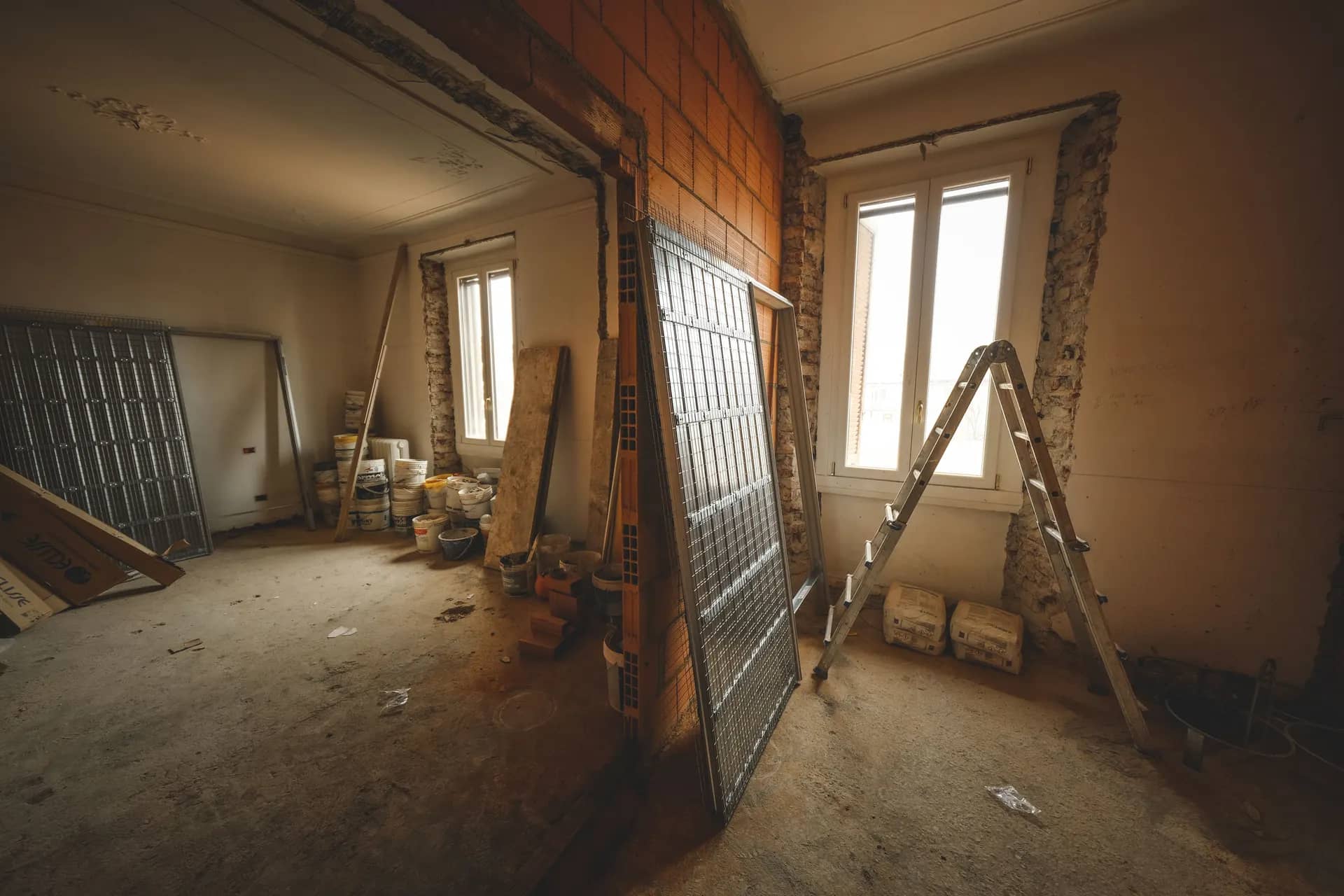
Occupied renovation is not a slower version of the same job; it is a different job with a plan around it. Zones have to be separated so that dust and noise are contained, the work fronts have to be limited so the family is not living on a building site entirely, and a route through the property has to be kept protected and clear at all times. Every one of those is a decision made on paper, not on site.
Decision guides set out how to judge a quote, a programme or a contractor fairly, so the comparison is made on like-for-like information.
The essentials are the part people underestimate. One working bathroom and a usable kitchen change the whole experience, and both can usually be arranged if they are planned at the start. Choosing the phasing around them — doing the second bathroom before the first, or putting a temporary sink in a utility room — turns a difficult period into a manageable one.
What matters most on this page
Phase by zone, not by trade
Finishing one area at a time and returning it to use is what makes an occupied renovation bearable.
Separate dust at the door
Sealed barriers, negative pressure and a single protected route keep dust in the work area rather than the whole house.
Protect one bathroom and one kitchen
A temporary sink and a sequenced bathroom plan are what keep the household functioning.
What an occupied programme has to include
A daily stop and clean
The work area has to be left safe, closed and reasonably clean every evening. That is a scheduled task, not a favour.
Delivery and access windows
When the route through the house is in use, and when it is not, has to be agreed with everyone living there.
Longer stages, fewer risks
Working around an occupied house adds protection and cleaning to every stage, and the programme should reflect that honestly.
Plan these before you start
Draw the routes on a plan
Where materials come in, where waste goes out, and which parts of the house stay untouched.
Sequence the wet areas first
Decide which bathroom is completed early and how the kitchen will be used while it is out of action.
Agree the daily regime
Start and finish times, the cleaning before the work area is closed, and who checks it.
Questions we are often asked
Is it realistic to live in during a full renovation?
In a villa with several rooms, often yes. Where every room is being touched at once, the honest answer is usually no.
How do we stop dust spreading?
Sealed temporary screens, negative-pressure extraction in the work area and keeping one protected route. Dust control is containment, not sweeping.
Can the kitchen be kept working?
Usually with a temporary sink and power in another room, planned before the kitchen is stripped rather than after.
Related guides
- What to prepare before a renovation surveyAnother decision worth settling at the same stage.
- Planning a renovation budgetAnother decision worth settling at the same stage.
- Choosing materials for a renovationAnother decision worth settling at the same stage.
- Villa renovation costThe next question people ask about the same work.
browse the guides, or see all renovation and fit-out services. We work on homes and commercial premises across Dubai.
Tell us about the property
Tell us what you are deciding between and what you have been given so far. We will tell you what is worth checking next.
Phone
+971 56 181 0106Good for talking a job through and arranging a visit.
WhatsApp
Send a messageUseful for photographs, floor plans and measurements.
Next step
Plan the phasing before work starts
Tell us how many bathrooms and which rooms you need to keep. We will phase the work around them.