Guides
How to plan a renovation budget
A budget is not a number you carry to a contractor. It is a set of decisions about what is fixed, what is allowed for and what is held back.
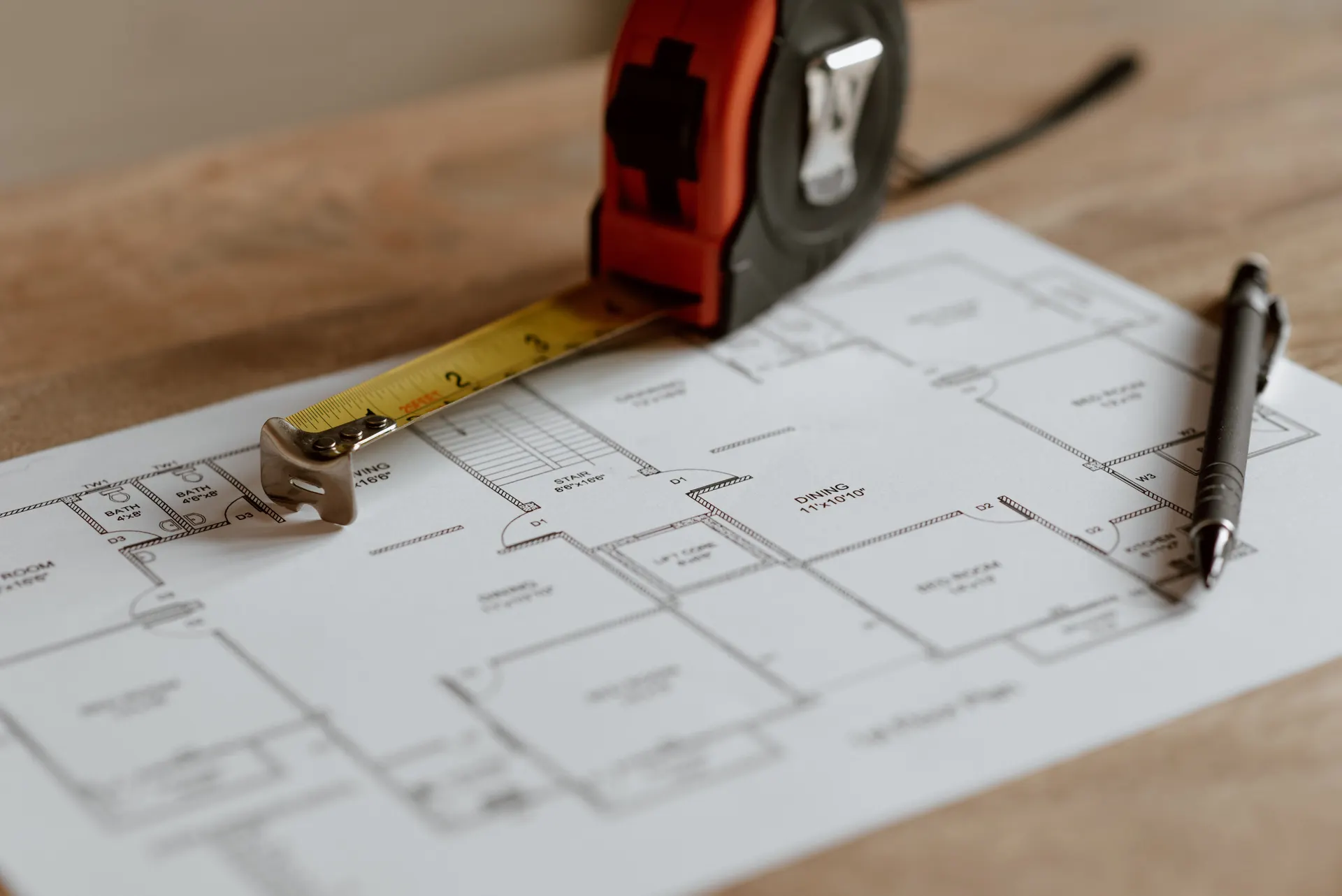
The most common budget failure is not overspending on a finish; it is having no separate pot for the work that only becomes visible after opening up. Renovation always finds something — a damp patch behind a shower, a circuit that was never what it appeared to be, a floor that cannot carry the new build-up. A budget without a contingency for those findings is a budget that will be exceeded.
Decision guides set out how to judge a quote, a programme or a contractor fairly, so the comparison is made on like-for-like information.
The second discipline is distinguishing a fixed price from an allowance. Tiles chosen and priced are fixed; a sum for tiles is an allowance that will move once you have seen them. Both are legitimate, but they behave differently, and a budget that mixes them without labelling them gives a false sense of certainty.
What matters most on this page
Separate fixed scope from allowances
Work that is defined and priced behaves differently from a sum you will spend later. Label each line before you total anything.
Hold a real contingency
A pot for what opening up reveals, sized to the age and condition of the property, not a token figure.
Budget the disruption, not just the finishes
Protection, cleaning, temporary arrangements and any rent or relocation are part of the total cost of doing the work.
Where renovation budgets leak
Hidden conditions found after opening up
The most predictable unpredictable cost in renovation. It is funded, not negotiated, when the contingency exists.
Decisions made twice
Changing a tile after the substrate is prepared, or a layout after the first fix, doubles part of the cost of that element.
Scope added mid-project
Adding a room or an element while the work is running costs more than including it from the start, because access is no longer free.
Build the budget in this order
Price the must-do work first
Strip-out, first fix, waterproofing and making good. Anything else is optional until that is covered.
Choose finishes against a stated allowance
Give each finish a number before you shop, rather than discovering the number afterwards.
Add the disruption costs
Protection, cleaning and any temporary accommodation belong in the total, not outside it.
Keep the contingency visible
A separate line you can see is a line you will actually use deliberately.
Questions we are often asked
How much contingency is sensible?
Enough to cover work that is plausible given the age and condition of the property. An older villa with original wet areas is a different risk from a recent build.
Should I fix the whole scope at the start?
Fix the parts that must happen, and allow the rest. A budget where everything is provisional is not a budget.
What is usually forgotten?
Protection and cleaning, authority or community fees, and the cost of living arrangements while the work runs.
Related guides
- Choosing materials for a renovationAnother decision worth settling at the same stage.
- How to choose a renovation contractorAnother decision worth settling at the same stage.
- How to compare renovation quotesAnother decision worth settling at the same stage.
- Villa renovation costThe next question people ask about the same work.
browse the guides, or see all renovation and fit-out services. We work on homes and commercial premises across Dubai.
Tell us about the property
Tell us what you are deciding between and what you have been given so far. We will tell you what is worth checking next.
Phone
+971 56 181 0106Good for talking a job through and arranging a visit.
WhatsApp
Send a messageUseful for photographs, floor plans and measurements.
Next step
Build the budget with the scope
Send the property and what you want to change. We will price the must-do work and show where a contingency is realistically needed.