Renovation & fit-out
Villa renovation in Dubai
A villa renovation touches every system in the house at once. We plan it as one programme — structure, services, finishes and the garden — so each trade arrives when the work before it is genuinely finished.
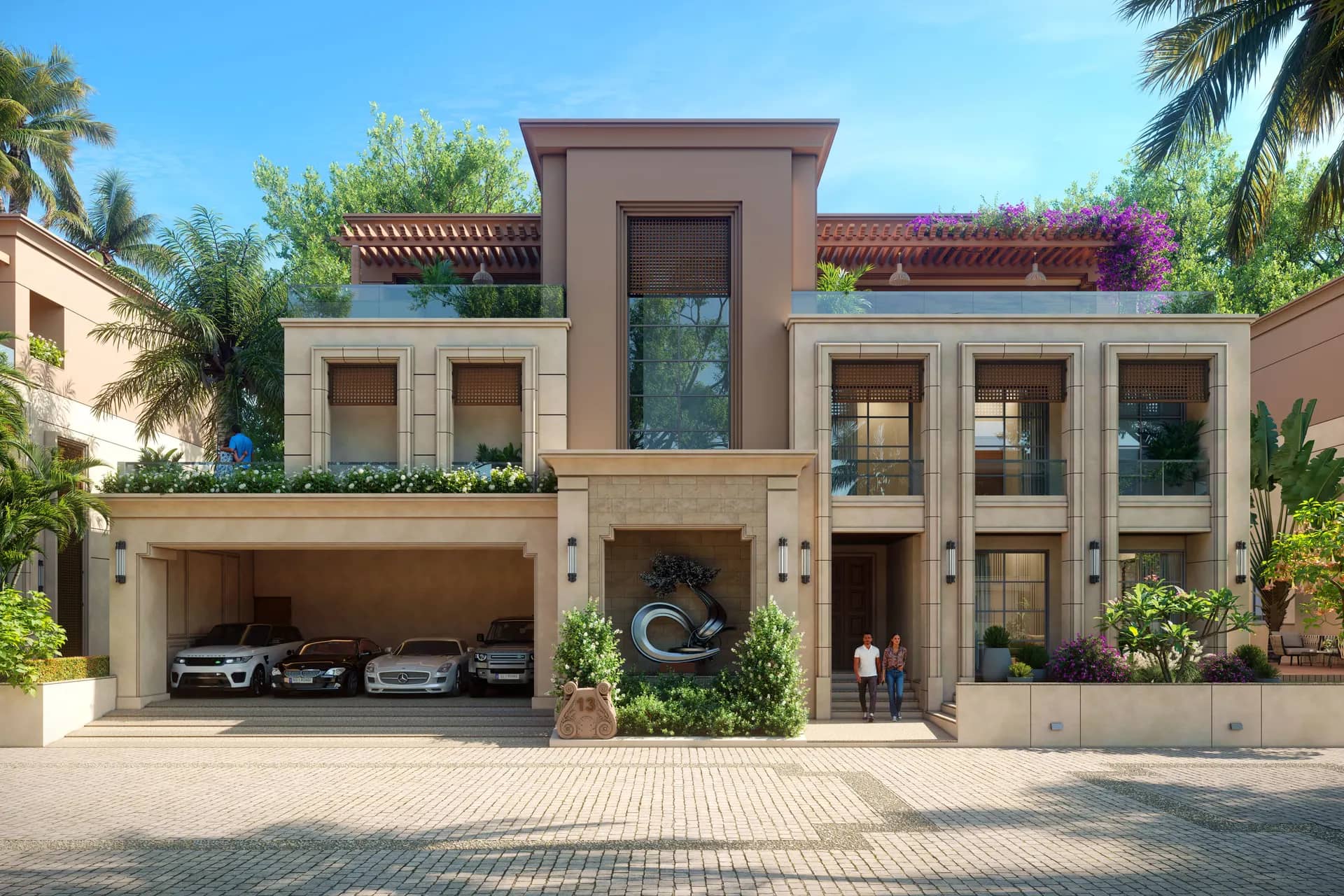
Most villas in Dubai were built to a developer specification that suited the first owner on handover day. Ten or fifteen summers later the brief has usually changed: a family that needs a ground-floor bedroom, a closed kitchen that should open onto the living space, bathrooms that leak into the ceiling below, or an air-conditioning layout that never quite reached the upstairs rooms.
Renovating a villa well is less about any single finish and more about order. Walls move before services are rerouted; services are tested before ceilings close; wet areas are waterproofed and checked before a single tile goes down. When that order slips, the expensive mistakes follow — tiles lifted to reach a pipe, a new ceiling cut open for a missed cable.
We take on full renovations and phased ones. Phasing suits owners who are living in the house, or who want to spread the cost across a year: one floor or zone at a time, with each phase finished and handed back before the next begins.
What a villa renovation can include
Layout changes
Removing or adding non-structural partitions, opening kitchens to living areas, creating ground-floor bedrooms or home offices. Any wall that may be load-bearing is checked by a structural engineer before it is touched.
Kitchens and bathrooms
Complete strip-out and rebuild of wet areas, including new drainage falls, waterproofing, tiling, sanitaryware and joinery.
MEP upgrades
Rewiring circuits that no longer suit the load, relocating sockets and lighting, re-routing water supply and drainage, and reworking air-conditioning distribution where rooms run warm.
Ceilings, floors and walls
Gypsum ceilings with concealed lighting, new floor finishes over levelled screeds, wall repairs, plastering and full redecoration.
Joinery
Wardrobes, doors, stair finishes, media walls and storage built to the actual dimensions of each room.
Outdoor areas
Terraces, pergolas, boundary-wall repairs, external painting and the hard landscaping around a pool.
How the work is sequenced
- 01
Survey and brief
We walk the house with you, measure it, and record what works and what does not. Existing drawings help; where there are none, we measure and draw.
- 02
Scope and itemised quotation
A written scope room by room, with each line priced separately so you can see where the budget goes and adjust it.
- 03
Community and authority requirements
We identify early which parts of the scope need a no-objection certificate from the developer or community management, and which need authority permits, so the programme reflects them from the start.
- 04
Strip-out and first fix
Demolition, then the hidden work — pipes, cables, drainage and AC routes — which is inspected and tested while it is still visible.
- 05
Close-up and finishes
Ceilings, screeds, waterproofing, tiling, joinery and paint, in that order, with each stage checked before it is covered.
- 06
Snagging and handover
A joint walk-through, a written snag list, and handover once every item on it is closed.
Pools within a villa renovation
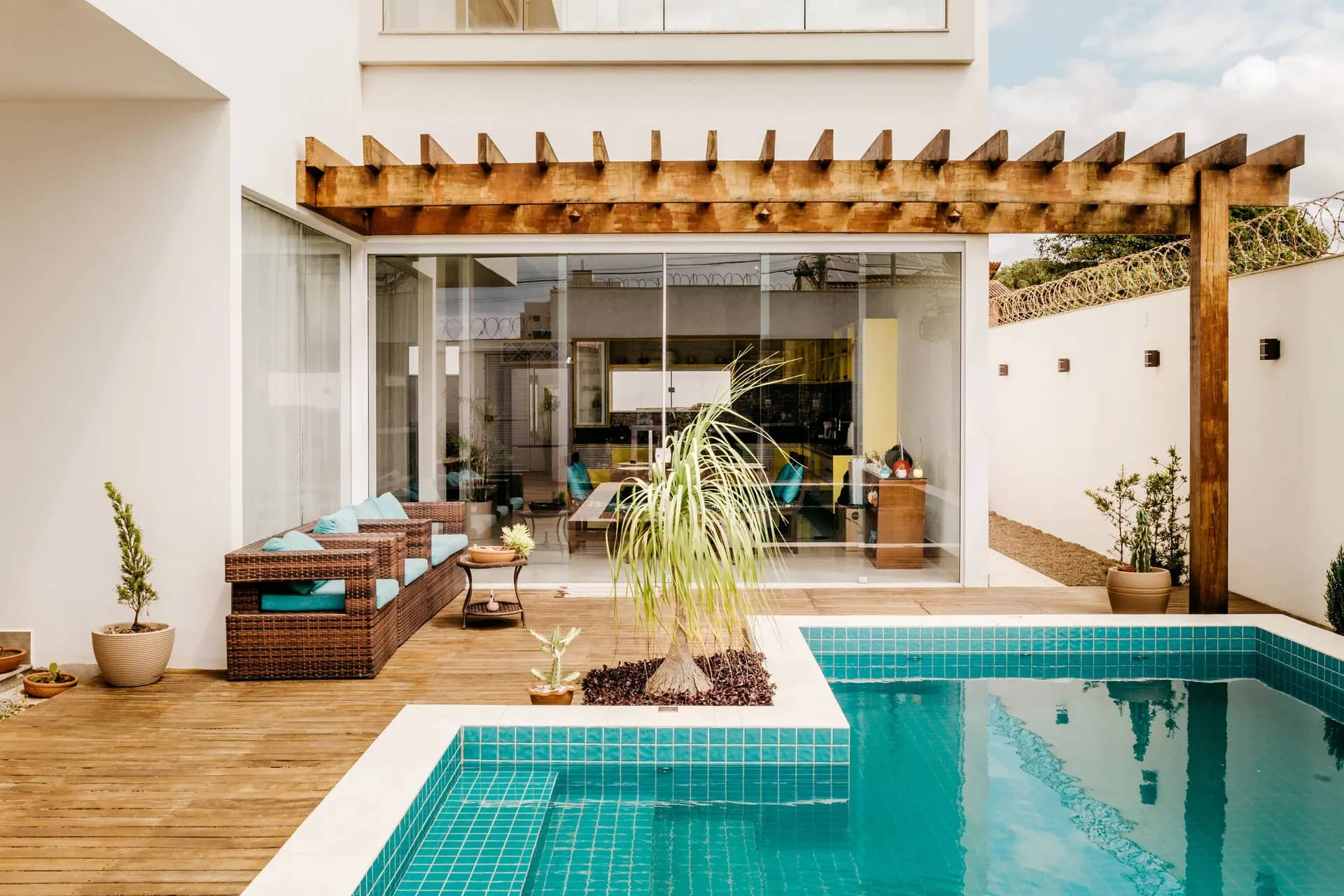
When a renovation reaches the garden, the pool is often part of it: tired coping, a terrace that has settled, lighting that no longer works, or a surround that needs to match the new interior. We include that work in the same programme so the outdoor finishes and the house are completed together.
Pool works inside a villa renovation are scoped like any other room — surveyed, itemised and sequenced so that heavy work outside does not damage new finishes inside.
What shapes the cost and the timeline
How much of the hidden work changes
Moving a bathroom or kitchen means new drainage and supply routes. Keeping wet areas where they are is usually the single biggest saving.
Whether you stay in the house
Living in the villa during works means phasing, dust separation and daily clean-downs, which adds time but avoids rental costs.
Finish selections
Imported stone, bespoke joinery and specialist lighting carry longer lead times. Ordering them early keeps them off the critical path.
Community rules
Working hours, contractor access and material deliveries are set by each community, and they affect how quickly a site can move.
Questions we are often asked
Can we live in the villa while it is renovated?
Often, yes, if the work is phased. We separate the active zone with dust screens, keep at least one bathroom and the kitchen usable where possible, and agree working hours with you. A full gut renovation is usually faster and cleaner with the house empty.
Do we need permission from the community before starting?
Most Dubai communities require a no-objection certificate before works that affect structure, façades, wet areas or building services. Requirements differ between developers, so we check them against your scope during the survey.
Can the work be done in stages to spread the cost?
Yes. We plan the phases together at the start so that early work does not have to be undone later — for example, running new cables to the upper floor while the ground floor is open.
Will we get an itemised quotation?
Yes. Every quotation is broken down by room and by trade, so you can compare options and decide where to spend.
Related services
- Kitchen renovationUsually the centre of a villa renovation.
- Bathroom renovationWet areas need their own sequence of drainage, waterproofing and tiling.
- Masonry and plasteringWall changes and repairs before finishes go on.
- PaintingInterior and exterior redecoration at the end of the programme.
Other renovation services: Apartment renovation, Kitchen renovation, Bathroom renovation, Commercial fit-out.
Ask about villa renovation
Tell us the property, where it is in Dubai and what you have in mind. Photographs help.
Phone
+971 56 181 0106Good for talking a job through and arranging a visit.
WhatsApp
Send a messageUseful for photographs, floor plans and measurements.
Next step
Planning work on your property?
We survey first, then give you a written, itemised scope so you can decide with the full picture in front of you.