Guides
Porcelain or ceramic tiles
They look alike in a showroom. The difference is in the body of the tile, and it decides where each is used.
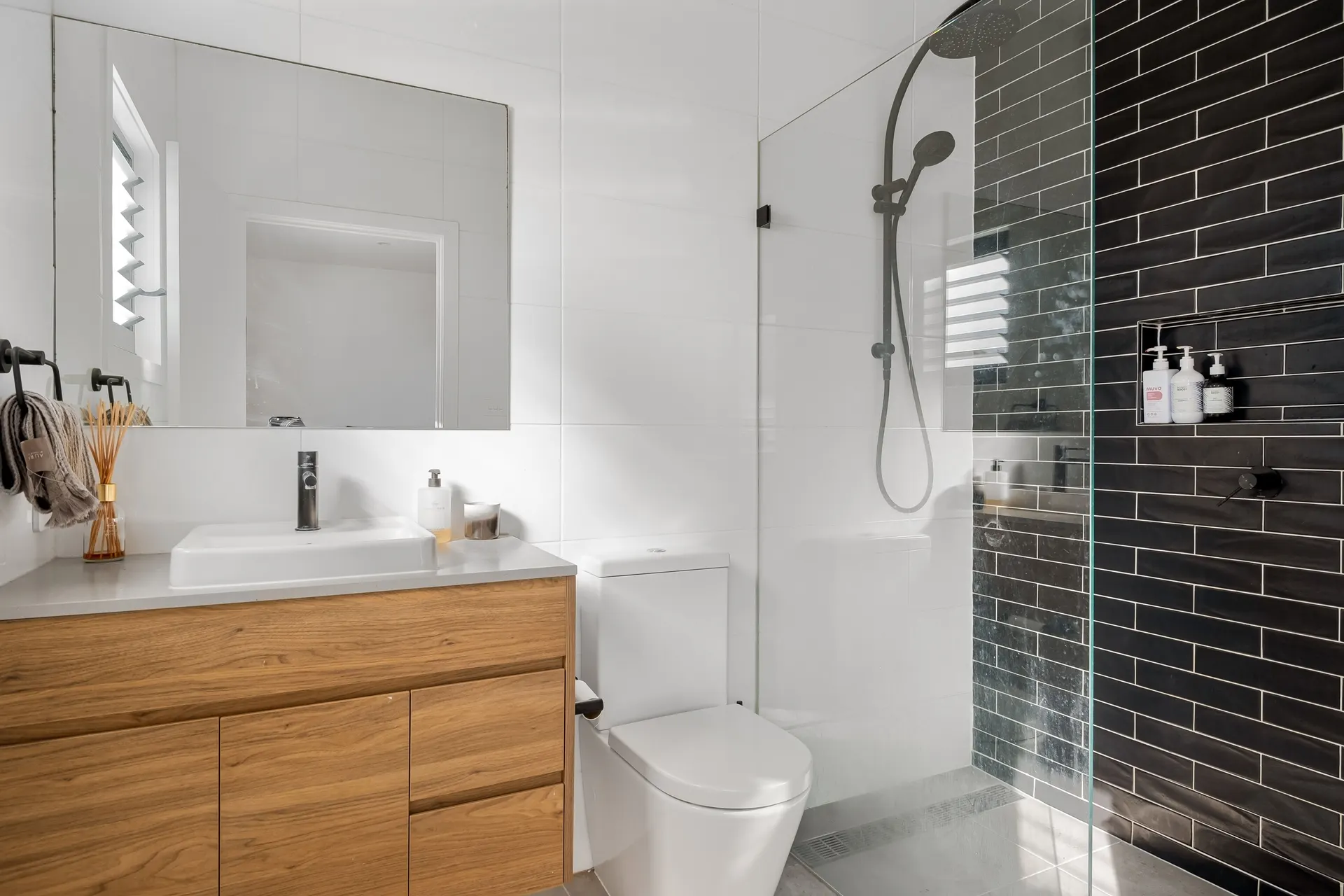
Porcelain tiles are made from finer clay fired at higher temperatures, giving a dense body that absorbs very little water and resists wear. Ceramic tiles are usually lighter, softer and easier to cut, and are widely used on walls. Both come in large ranges of colours, patterns and formats.
Comparison guides set real options side by side and say when each one suits, rather than naming a winner for every home.
In practice, porcelain is the usual choice for floors, wet areas and anywhere with heavy traffic, while ceramic remains a good choice for walls where wear is low and lighter weight helps. Porcelain needs suitable adhesives and more effort to cut, which affects installation time and waste.
What matters most on this page
Density and absorption
Porcelain absorbs less water and resists wear better than most ceramic tiles.
Floors versus walls
Porcelain suits floors and heavy use; ceramic suits many wall applications.
Installation effort
Porcelain is harder to cut and needs appropriate adhesive.
Choosing for each surface
Bathroom floors
Porcelain with suitable slip resistance is the usual choice.
Bathroom walls
Either works; ceramic is lighter, porcelain matches floor tiles if continuity is wanted.
Through-body and glazed
Through-body porcelain hides chips better because the colour runs through the tile.
Before choosing tiles
Confirm where each tile goes
Floors, walls, shower areas or outdoors.
Check slip resistance for floors
Especially in wet areas.
Order spare stock
From the same batch, for future repairs.
Questions we are often asked
Can ceramic tiles be used on floors?
Some are rated for floors. Check the rating; porcelain is still more common in high-traffic areas.
Are porcelain tiles more expensive to lay?
They take more effort to cut and may need specific adhesive, which can affect installation cost.
Can the same tile go on wall and floor?
Often, if it is rated for floor use. It gives a continuous look in bathrooms.
Do porcelain tiles need a different grout?
Not usually a different type, but the grout should suit the joint width and the area — wet zones and floors often use a more stain-resistant grout.
Related guides
- Bath vs walk in showerA related choice for the same kind of work.
- Walk in shower installationHow the chosen option is actually installed.
- Bathroom tilingHow the chosen option is actually installed.
- Bathroom renovation costHow this choice sits in the overall budget.
Start from bathroom renovation, browse the guides, or see all renovation and fit-out services. We work on homes and commercial premises across Dubai.
Tell us about the property
Tell us which options you are weighing and the room they are for. We will say which one the existing structure and services actually allow.
Phone
+971 58 846 4007Good for talking a job through and arranging a visit.
WhatsApp
Send a messageUseful for photographs, floor plans and measurements.
Next step
Choose tiles for each surface
Tell us the rooms and surfaces. We will suggest tiles suited to each and plan the setting-out.