Guides
Cat A and Cat B fit-out explained
Cat A is the blank, serviced office the landlord provides. Cat B is everything that turns it into your office.
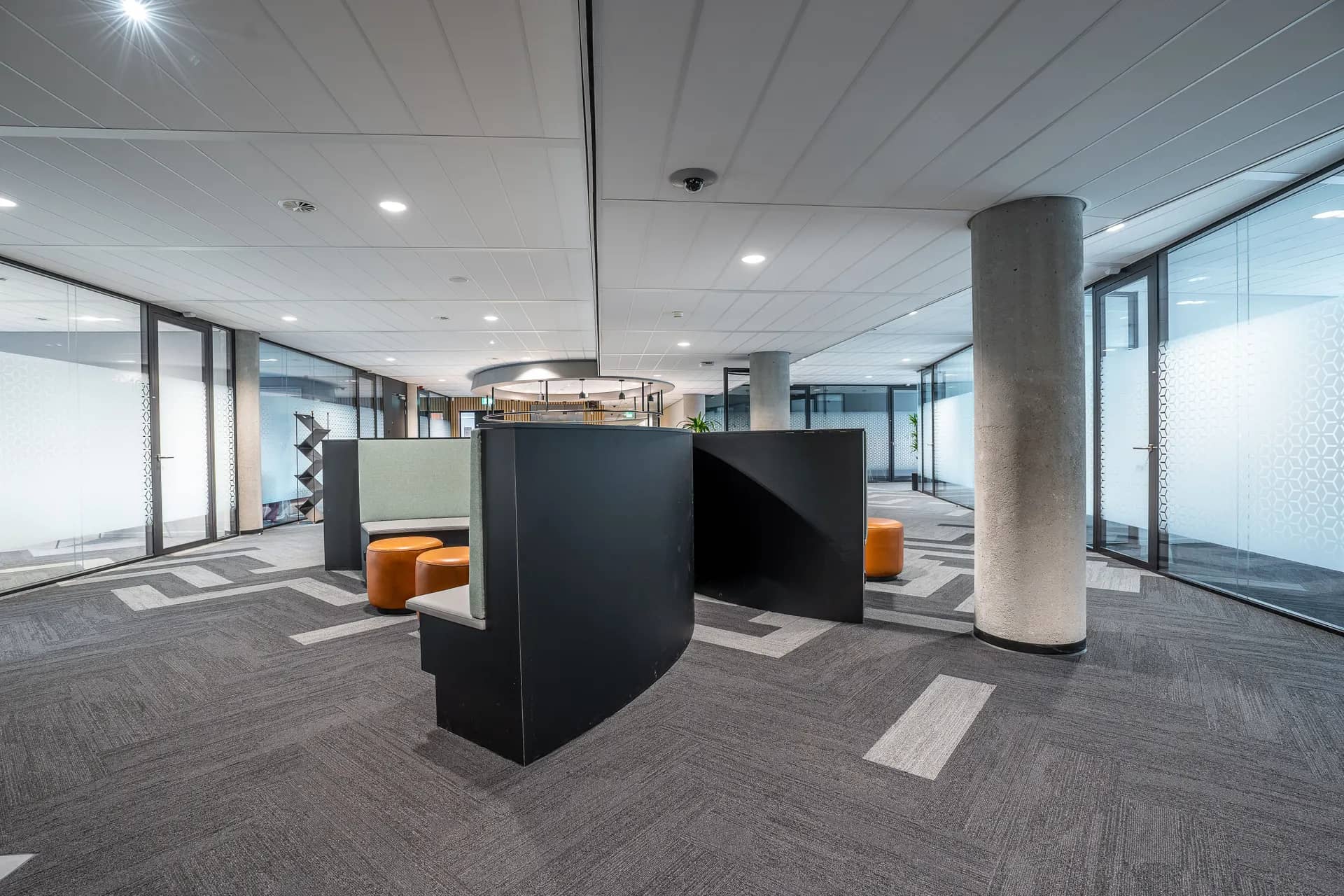
Commercial space is often described in stages. Shell and core is the basic building with structure, cores and main services. Category A (Cat A) adds a basic, usable finish: raised floors or finished slabs, suspended ceilings, standard lighting, AC distribution and basic fire systems. Category B (Cat B) is the tenant’s fit-out: partitions, meeting rooms, kitchens, branding, furniture and specialist services.
Comparison guides set real options side by side and say when each one suits, rather than naming a winner for every home.
Knowing what the landlord has delivered matters because it sets the tenant’s scope. A Cat A space may need parts removed or modified to suit the Cat B layout, which is sometimes called Cat A strip-out. Leases also vary in what the landlord provides, so the actual specification should be checked rather than assumed.
What matters most on this page
Shell and core
Structure, cores and main services; little else.
Cat A
Basic, usable finish provided by the landlord.
Cat B
The tenant’s fit-out that makes the space their own.
How the stages affect a fit-out
Taking Cat A space
Ceilings, lighting and AC may need modifying to suit partitions and rooms.
Taking shell and core space
The tenant funds and delivers everything, often with a longer fit-out period.
Lease negotiations
Rent-free periods and contributions often relate to the fit-out stage.
Before planning the fit-out
Get the landlord’s specification
What exactly is provided.
Check reinstatement
Whether the space must be returned to Cat A at lease end.
Compare layout to Cat A
How much needs modifying to suit your design.
Questions we are often asked
Is Cat A ready to use?
It is usable as an open floor, but most businesses need some Cat B work for meeting rooms and pantries.
Who pays for Cat A modifications?
Usually the tenant, unless agreed otherwise in the lease.
Is Cat A the same in every building?
No. Specifications vary, so the landlord’s description should be checked.
Related guides
- New office fit out vs refurbishmentA related choice for the same kind of work.
- Office reception fit outHow the chosen option is actually installed.
- Office pantry fit outHow the chosen option is actually installed.
- Commercial fit out costHow this choice sits in the overall budget.
Start from commercial fit-out, browse the guides, or see all renovation and fit-out services. We work on homes and commercial premises across Dubai.
Tell us about the property
Tell us which options you are weighing and the room they are for. We will say which one the existing structure and services actually allow.
Phone
+971 58 846 4007Good for talking a job through and arranging a visit.
WhatsApp
Send a messageUseful for photographs, floor plans and measurements.
Next step
Understand what the landlord provides
Send the landlord’s specification or fit-out manual. We will explain what your Cat B scope involves.