Guides
Choosing a bathroom vanity unit
A vanity is furniture in the wettest room in the house. Its material and its fixing matter as much as its look.
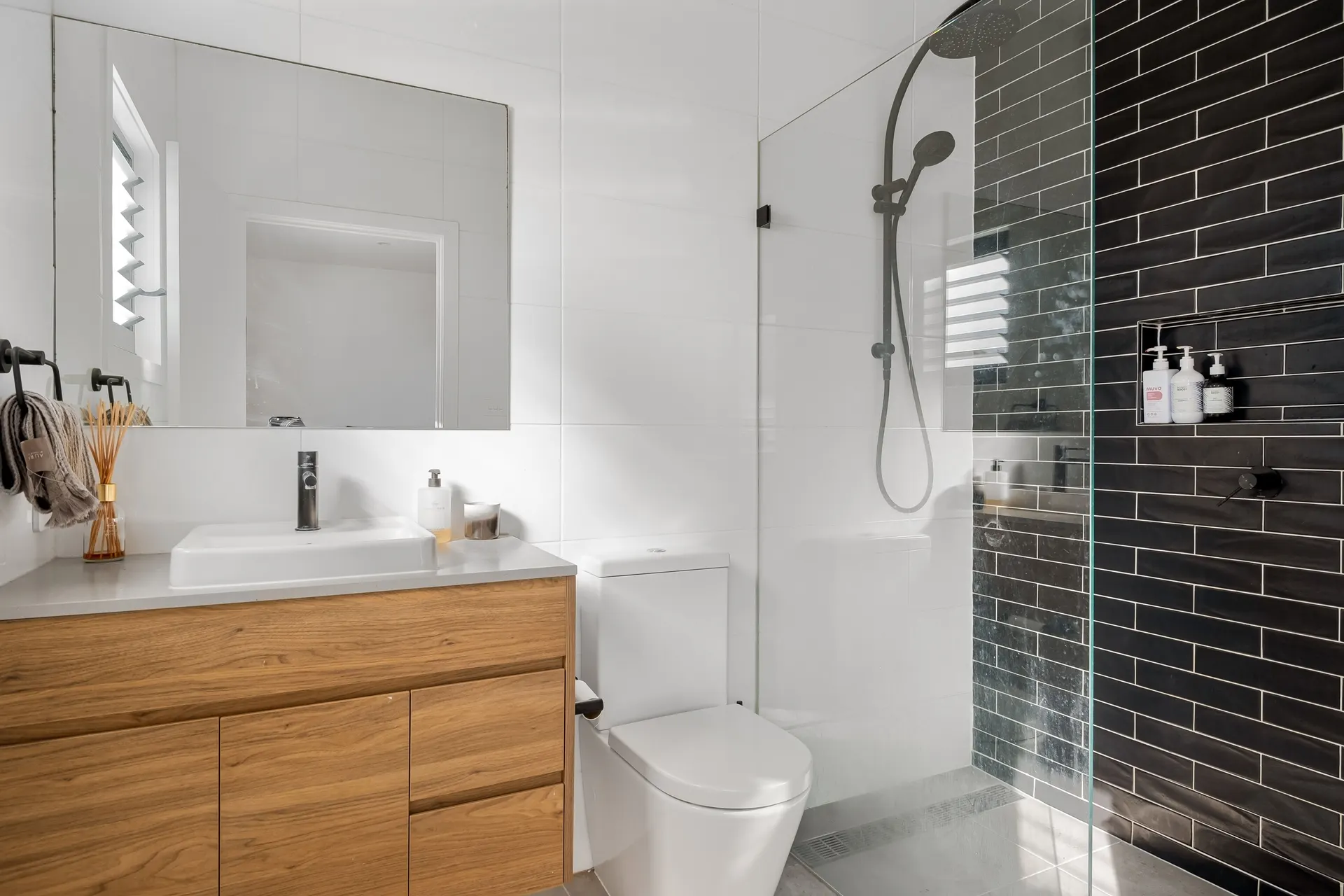
Bathrooms in Dubai are warm and often humid, especially where ventilation is weak, and a vanity sits right beside the basin where water splashes every day. The carcass material, edge sealing and finish are what decide whether the unit swells and peels at the edges within a few years or stays square. Moisture-resistant boards, sealed edges and a good finish are worth more than an attractive door.
Element pages explain one part of a larger renovation in detail: what is being chosen, what the installation involves, and where the cost and time usually sit.
The vanity also has to line up with the plumbing. The basin waste and the hot and cold supplies come out of the wall at fixed points, and drawers inside the vanity have to be shaped around them. Agreeing the vanity model before the supplies are positioned at first fix means the pipes can be placed where the unit expects them.
What matters most on this page
Material before style
Moisture-resistant carcasses and sealed edges are what make a vanity last in a bathroom.
Wall-hung or floor-standing
Wall-hung units make cleaning easy and the room feel larger, but need solid fixing into the wall.
Plumbing set to the unit
Supply and waste positions are set at first fix to suit the chosen vanity and its drawers.
Choosing the unit
Basin types
Integrated, countertop, semi-recessed or undermount basins each change the overall height and how splashes are contained.
Drawers or doors
Drawers make storage easier to reach but need to be cut around the waste. Doors are simpler around plumbing.
Double vanities
Need two sets of supplies and wastes and enough width for two people to stand at once.
Before the first fix
Fix the vanity model
So supply and waste outlets can be placed where the unit is designed for them.
Plan the fixing
A wall-hung vanity needs a solid fixing. A partition wall may need reinforcing before boarding.
Decide the tap position
Basin-mounted or wall-mounted taps change where the supplies come out of the wall.
Questions we are often asked
Why did my last vanity swell at the bottom?
Usually water reaching unsealed board edges, often from splashes or a leaking waste. Material choice and sealed edges help prevent it.
Can a wall-hung vanity go on any wall?
It needs a fixing strong enough for the unit, the basin and someone leaning on it. Hollow partitions often need extra support behind the board.
How high should a vanity be?
It depends on the basin type and the people using it. Countertop basins add height, so the unit itself is usually set lower.
Related guides
- Bathroom ventilationThe next component to decide in the same room.
- Bathroom layout planningThe next component to decide in the same room.
- Porcelain vs ceramic tilesA choice that shapes how this element is built.
- Bathroom renovation costHow this element sits in the overall budget.
Start from bathroom renovation, browse the guides, or see all renovation and fit-out services. We work on homes and commercial premises across Dubai.
Tell us about the property
Tell us which room, which element and what is being replaced. We will confirm the measurements and the sequence that follows.
Phone
+971 58 846 4007Good for talking a job through and arranging a visit.
WhatsApp
Send a messageUseful for photographs, floor plans and measurements.
Next step
Choose the vanity before first fix
Tell us the size of the bathroom and the vanity you like. We will check the fixing and plan the plumbing around it.