Guides
Built-in or freestanding furniture
Built-in furniture uses the space fully and stays; freestanding furniture moves with you. The room and how long you will stay decide it.
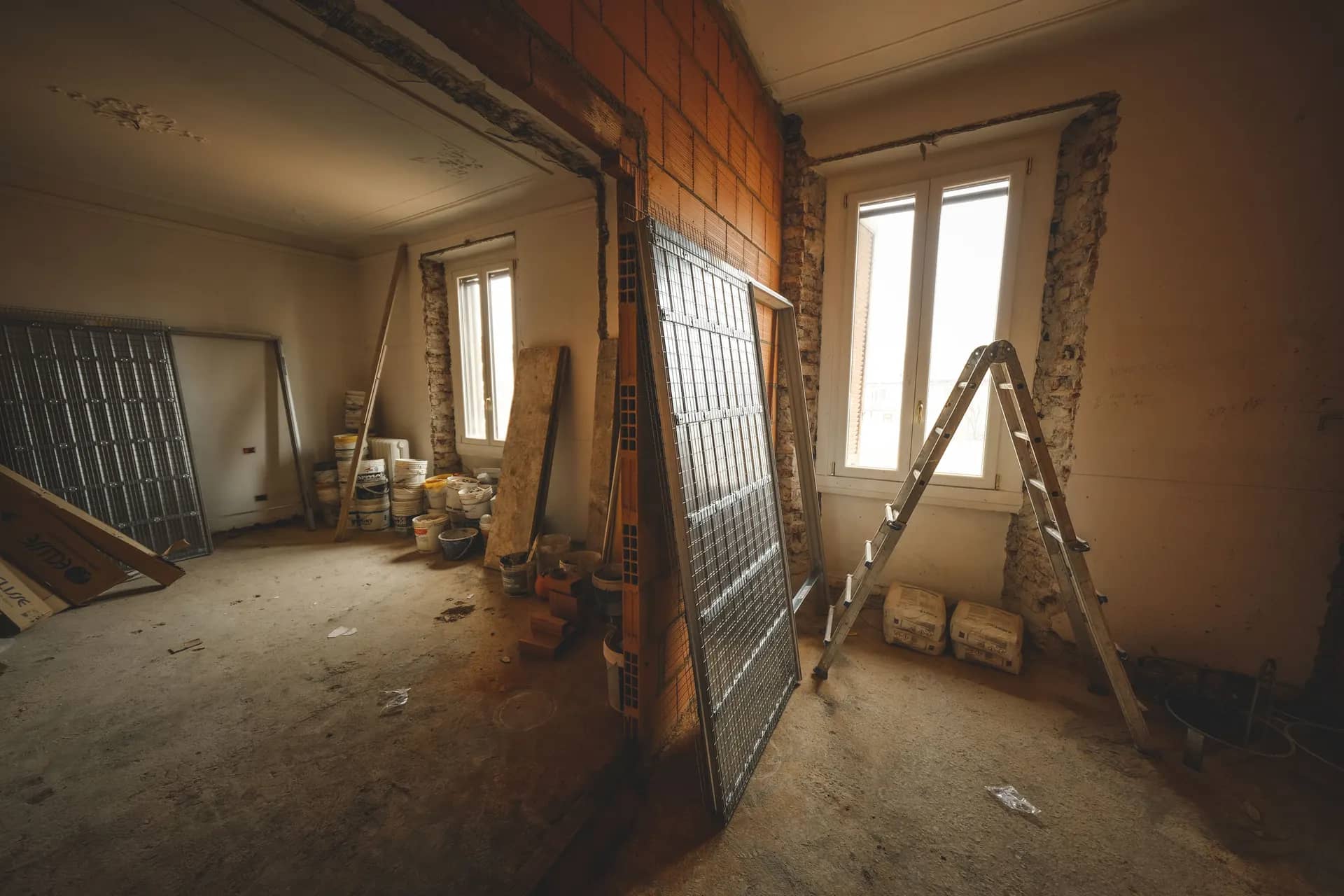
Built-in furniture — wardrobes, shelving, a fitted desk or a media wall — makes the most of a room and looks part of it. Freestanding furniture can be moved, rearranged and taken with you. The choice usually comes down to how long you expect to stay and how fixed the room needs to be.
Comparison guides set real options side by side and say when each one suits, rather than naming a winner for every home.
Built-ins are the answer where the space is awkward or the storage needs to be full-height, and in a home you plan to keep. Freestanding suits a room that may change use, or a home that may be sold or let, where the next occupant will want their own arrangement.
What matters most on this page
Use of space
Built-ins reach into awkward spaces and go full height; freestanding is more flexible.
How long you stay
A home you will keep suits built-ins; a home that may change suits freestanding.
Changing the room
Freestanding moves and rearranges; built-ins are fixed.
What each option involves
Built-in furniture
Made to measure and fixed to the wall, using the full height and awkward corners.
Freestanding furniture
Bought pieces arranged in the room, moved and rearranged as needed.
Finishes and wiring
Built-ins can hide wiring and lighting; freestanding needs the room to work around it.
Before choosing
Think about the future
How long you will stay, and whether the room may change use.
Measure the awkward spaces
Alcoves, low ceilings and corners are where built-ins earn their cost.
Decide what must stay
Fixed wiring, lighting or a media wall point toward built-in.
Putting it into practice
Decide from how long you will stay and how fixed the room needs to be. Built-ins earn their cost in awkward spaces, full-height storage and homes you plan to keep; freestanding suits a room that may change or a home that may be sold or let. Remember built-ins leave fixings to make good and cannot move with you.
Common mistakes
Built-ins for a short stay
Fitted furniture in a home you may soon leave costs more and cannot be taken with you. Freestanding moves and resells.
Freestanding in awkward spaces
Alcoves and low ceilings waste the room when freestanding pieces will not fit. Built-ins are where they earn their cost.
Questions we are often asked
Is built-in furniture more expensive?
Usually, because it is made to measure and fitted. The cost is weighed against the storage it adds in spaces freestanding cannot use.
Can built-in furniture be removed?
Yes, but it leaves the fixings and the wall to make good, and it cannot be taken to another home. That is the trade-off against its better fit.
Which is better for a rental property?
Freestanding is usually safer, because the next tenant brings their own furniture and the landlord does not have fitted pieces to maintain.
Related guides
- Matt vs polished floor tilesA related choice for the same kind of work.
- Engineered wood vs laminate vs spc flooringA related choice for the same kind of work.
- Design and build vs separate designerA related choice for the same kind of work.
- Villa renovation costHow this choice sits in the overall budget.
browse the guides, or see all renovation and fit-out services. We work on homes and commercial premises across Dubai.
Tell us about the property
Tell us which options you are weighing and the room they are for. We will say which one the existing structure and services actually allow.
Phone
+971 58 846 4007Good for talking a job through and arranging a visit.
WhatsApp
Send a messageUseful for photographs, floor plans and measurements.
Next step
Choose what suits the room and the future
Tell us the room and how long you plan to stay. We will advise between built-in and freestanding.