Guides
What an apartment building reviews before you renovate
In an apartment, approval is not about appearance. It is about anything shared — the drain, the supply, the structure and the corridor.
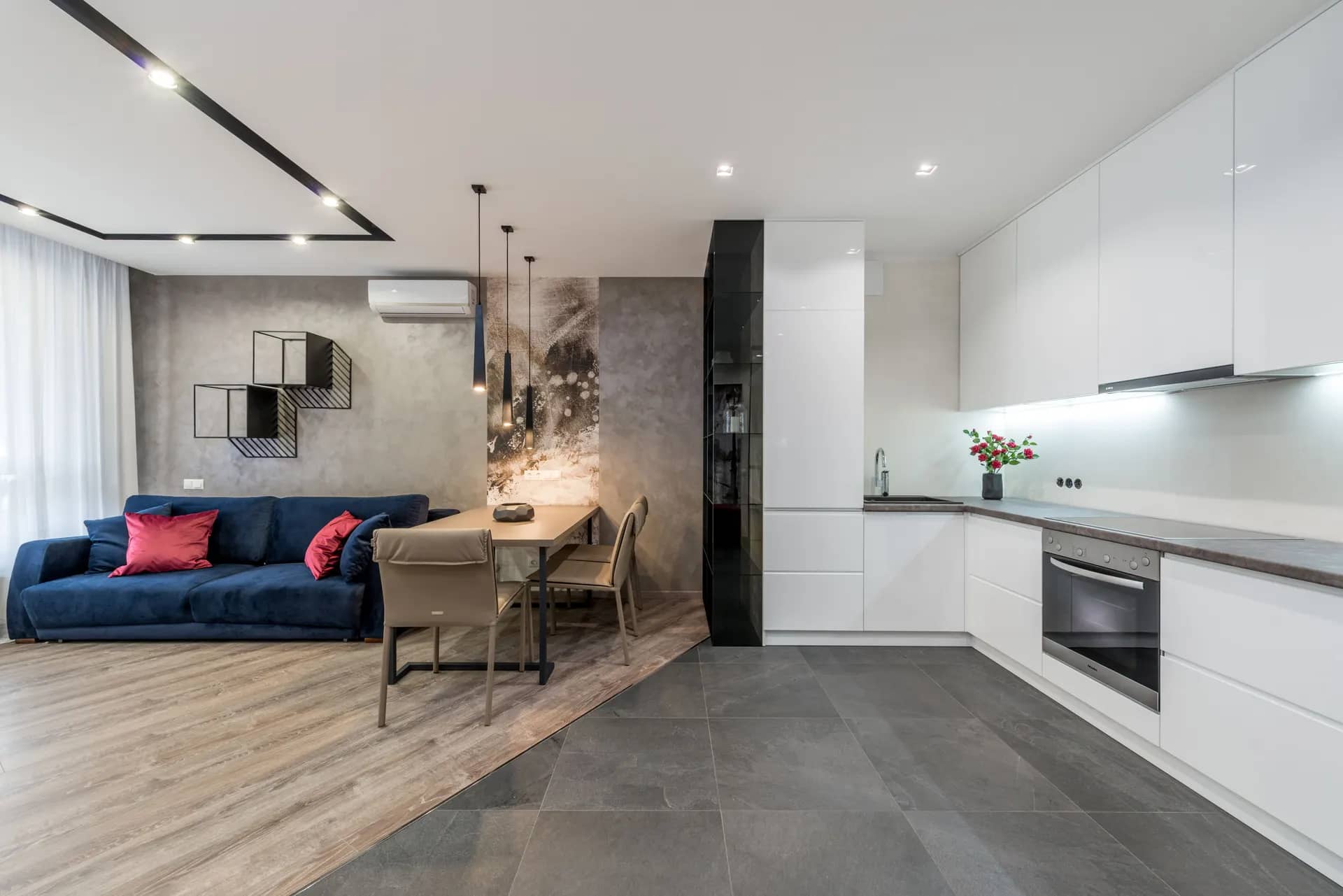
Building management is protecting the building and everyone else in it, so the review focuses on the parts of a flat that are not private to the owner: the stack drainage and its risers, the water and electrical supply, the structural slab and columns, and the shared corridors and lifts used to move materials. A finish change is of little interest; a drainage change is the whole conversation.
Approval guidance explains who has a say over the work, what they usually ask to see, and how to keep a decision from becoming the reason a start date slips.
The review also sets how the work is carried out. Permitted hours, protected corridors, booked lifts and a deposit are standard, and a submission normally has to include a method statement as well as drawings. Because that review sits before the first day on site, it is the item that decides the start date.
What matters most on this page
Shared services
Anything touching the riser, the stack or the incoming supply will be reviewed closely, and changes are often refused outright.
Wet areas
New waterproofing in a bathroom or kitchen above another unit usually requires both a method statement and a period for testing.
Site conduct
Working hours, lift bookings, corridor protection and waste routes are conditions that the contractor has to work within every day.
What the submission normally contains
Existing and proposed layouts
Showing what is being removed, what is being added, and how the services are affected by the change.
A method statement
How the work will be sequenced, how noise and dust will be controlled, and how the shared areas will be protected and cleaned.
Contractor and deposit information
Who is responsible on site, and what is held against damage to common property or the lift.
Before you submit to the building
- 01
Ask for the current requirements in writing
Requirements differ between buildings and change over time. Work from the current list.
- 02
Settle the wet area scope first
It is the part most likely to be questioned, and it is the part that affects the neighbours below.
- 03
Book the lift before you need it
Access is a shared resource. A programme that assumes an available lift will lose days waiting for one.
Questions we are often asked
Can I change the kitchen or bathroom position?
Usually only within the existing services zone. Moving fittings away from the stack means new drainage, which most buildings will not agree to.
How long does review take?
It varies by building and by how complete the submission is. Treat the review as a stage on the programme and allow for one round of comments.
What happens if work is done without approval?
The building can stop the work and require reinstatement, which is far more expensive than the review would have been.
Related guides
- Apartment renovation costHow the approval sequence affects the price.
- Apartment renovation timelineWhere the review sits on the programme.
- Apartment renovation problemsWhat goes wrong when the review is left too late.
- Villa renovation costHow the approval sequence affects the price.
Start from apartment renovation, browse the guides, or see all renovation and fit-out services. We work on homes and commercial premises across Dubai.
Tell us about the property
Tell us where the property is and what you want to change. We will say what the review is likely to cover before the scope is fixed.
Phone
+971 56 181 0106Good for talking a job through and arranging a visit.
WhatsApp
Send a messageUseful for photographs, floor plans and measurements.
Next step
Find out what your building will require
Send the layout and what you want changed. We will tell you which parts are likely to need review before anything is priced.