Guides
Villa renovation problems, and the check that avoids each
Most villa problems are not construction failures. They are sequencing failures that only look like construction failures once the ceiling is closed.
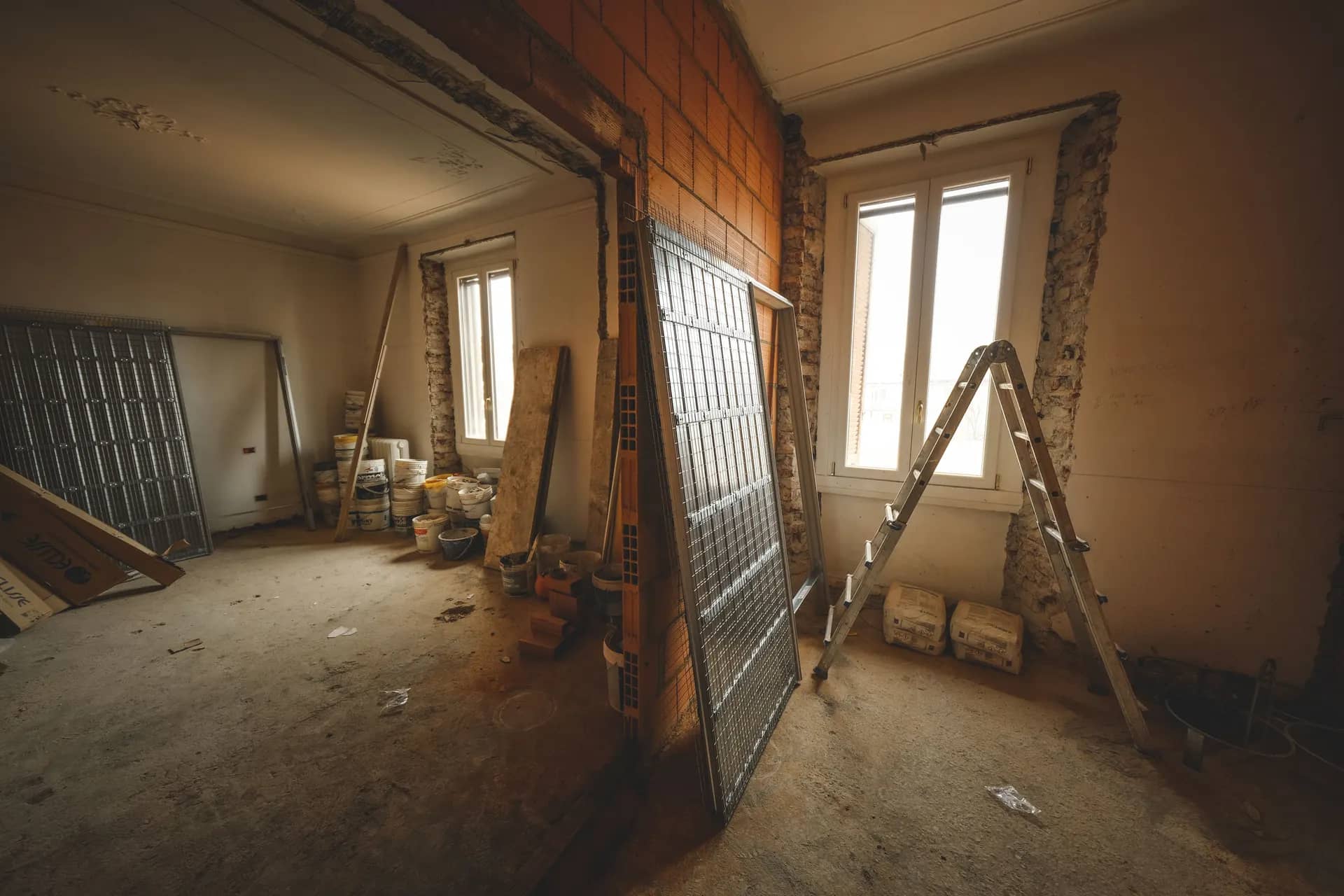
A villa has enough space for the work to spread out, which is exactly why coordination goes wrong. Three trades can be busy in three rooms and still be in each other’s way, because the order matters more than the activity. Progress photographs look encouraging while a pipe run is quietly being covered before it was tested.
This page collects the failures we see most often on this kind of project, the stage at which each one becomes expensive, and the check that prevents it.
The other recurring problem is decision drift. A villa has so many choices that it is easy to leave a few open, and every open choice holds a trade. The failures below are the ones that turn a manageable programme into an expensive one, and each has a check that costs almost nothing to apply.
What matters most on this page
Hidden work covered before testing
Pipe runs, drainage falls and circuits should be proven while they are still visible. Once covered, correcting them means dismantling finished work.
Decisions left open past their deadline
Tiles, joinery finishes and appliance positions each have a date after which a choice becomes a delay.
Phasing that was never drawn
Living in the house works only if the zones, the dust barriers and the sharing of the kitchen and bathrooms are planned on paper first.
Failure, and the check that prevents it
Scope that grows without a decision
Work discovered after opening up should be priced and agreed before it is carried out, so the addition is a choice rather than a surprise.
A programme built on optimistic lead times
Made-to-order joinery and stone have fixed production periods. The programme should show when each item has to be released, not just when it arrives.
Water finding the shortest route down
Every wet area should be flood-tested before tiling. It is the cheapest stage of the job and the one that protects the floor below.
The checks worth insisting on
Ask to see the test, not the photo
Pressure testing, drainage checks and flood tests should be recorded before the work is covered.
Keep a single scope document
One list that is updated as decisions are made beats a stack of messages and verbal agreements.
Fix a date for every open decision
Each undecided item should have a date by which it must be closed, tied to the stage that depends on it.
Questions we are often asked
What is the most expensive villa mistake?
Covering untested hidden work. Almost everything else can be corrected as a variation, but hidden work has to be re-opened.
How do you stop scope creep?
By pricing additions when they are found and getting them agreed before they are built. Undocumented growth is what breaks budgets.
Can we avoid problems by renovating in phases?
Phasing reduces disruption, not risk. It still needs the same testing and sequencing discipline inside each phase.
Related guides
- Villa renovation costWhat the same failures do to a budget.
- Villa renovation timelineWhere each failure costs you time.
- Villa renovation approvalsThe approval you need before work starts.
- Apartment renovation costWhat the same failures do to a budget.
Start from villa renovation, browse the guides, or see all renovation and fit-out services. We work on homes and commercial premises across Dubai.
Tell us about the property
Describe what is going wrong and when it started. Photographs of the affected areas help us answer usefully on the first reply.
Phone
+971 56 181 0106Good for talking a job through and arranging a visit.
WhatsApp
Send a messageUseful for photographs, floor plans and measurements.
Next step
Have the risks checked at survey stage
Tell us the villa and what you want changed. We will point out where the sequencing risk sits before work begins.